📊 Audit Template

Content Audit Template —
Know What's Working

Stop guessing which content performs. Use this structured audit template to track reach, engagement, and make clear keep/repurpose/delete decisions.

What Is a Content Audit (and Why It Changes Everything)?

A content audit is a systematic review of all the content you've published — across every platform — to evaluate what's performing, what's underperforming, and what should be cut entirely.

Most creators keep posting without ever looking back. But your best future content is hiding in your past. A regular audit reveals which topics resonate, which formats convert, and which posts are worth repurposing.

  • Identify your highest-performing content by engagement rate, not just reach
  • Find underperforming posts that could be revived with small updates
  • Spot content gaps — topics your audience wants but you haven't covered
  • Make data-driven decisions about what to create next
  • Stop wasting time on content types that never land

Content Audit Checklist

Your Content Audit Table

Review each row and assign an action. Click "Add Row" to add your own content entries. Summary stats update automatically.

8
Total Pieces
0
Keeping
0
Repurposing
0
Deleting
Avg Eng. Rate
Avg Reach

Content Inventory — 2026

# Post Date Platform Content Type Title / Topic Reach Eng. Rate Save Rate Action
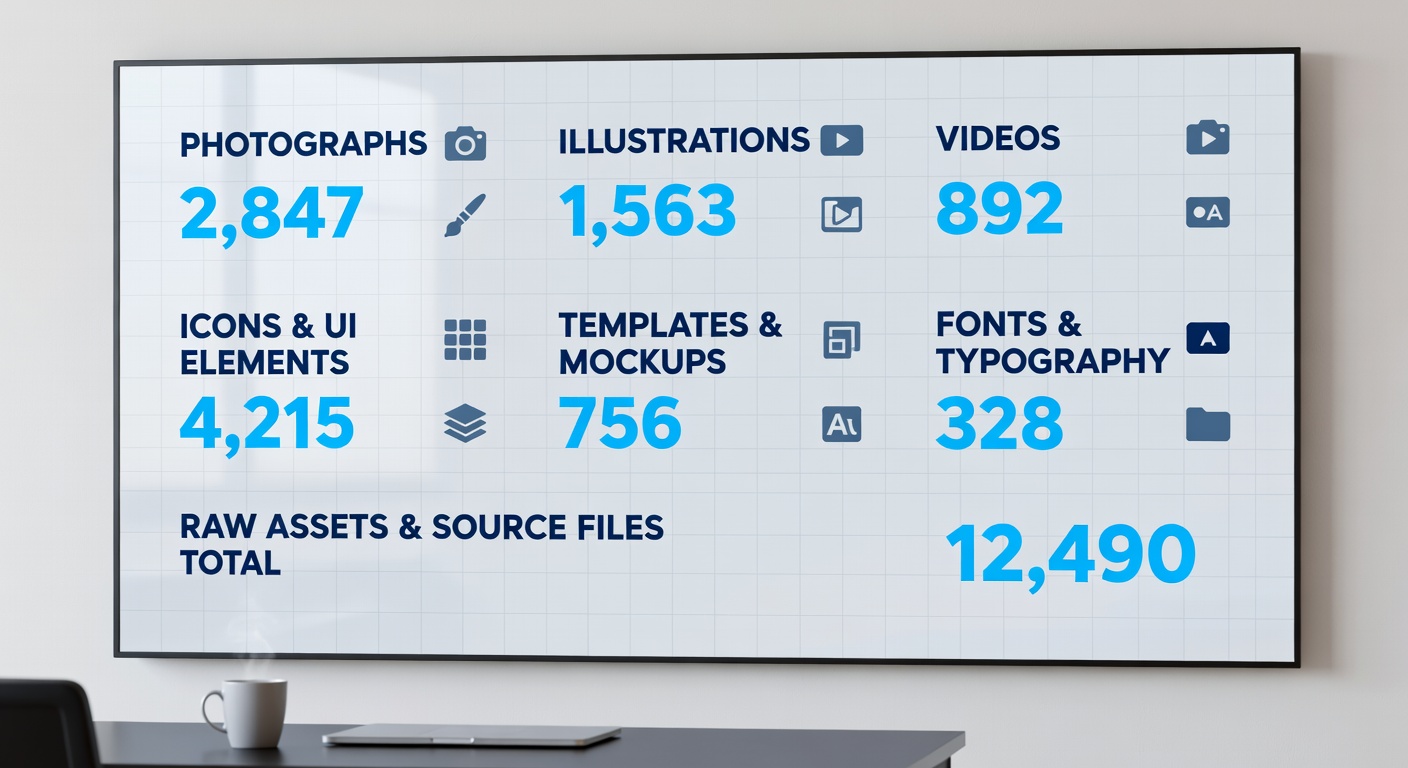
Content Inventory Visual

Your Content Audit Checklist

Different audit depths are needed at different frequencies. Use this schedule to stay on top of your content health.

📅

Monthly Audit Tasks

  • Review last 30 days of posts for performance
  • Identify your top 3 performing pieces
  • Note any content that flopped unexpectedly
  • Update save/engagement rate averages
  • Flag any outdated content for update or removal
📈

Quarterly Audit Tasks

  • Audit entire content library by platform
  • Identify content clusters and gaps
  • Review content bucket performance ratios
  • Decide which posts to repurpose into new formats
  • Revisit your core content pillars and adjust if needed
  • Archive or delete content that no longer aligns with brand
🎯

Annual Audit Tasks

  • Full year-in-review: top 10 posts across all platforms
  • Benchmark engagement rates year over year
  • Evaluate which platforms drove real growth
  • Assess ROI on paid content vs. organic
  • Rewrite your content strategy for the new year
  • Build your editorial calendar for Q1 based on data
Done!